
How Heavy Rain Causes Land Erosion and What Homeowners Can Do About It

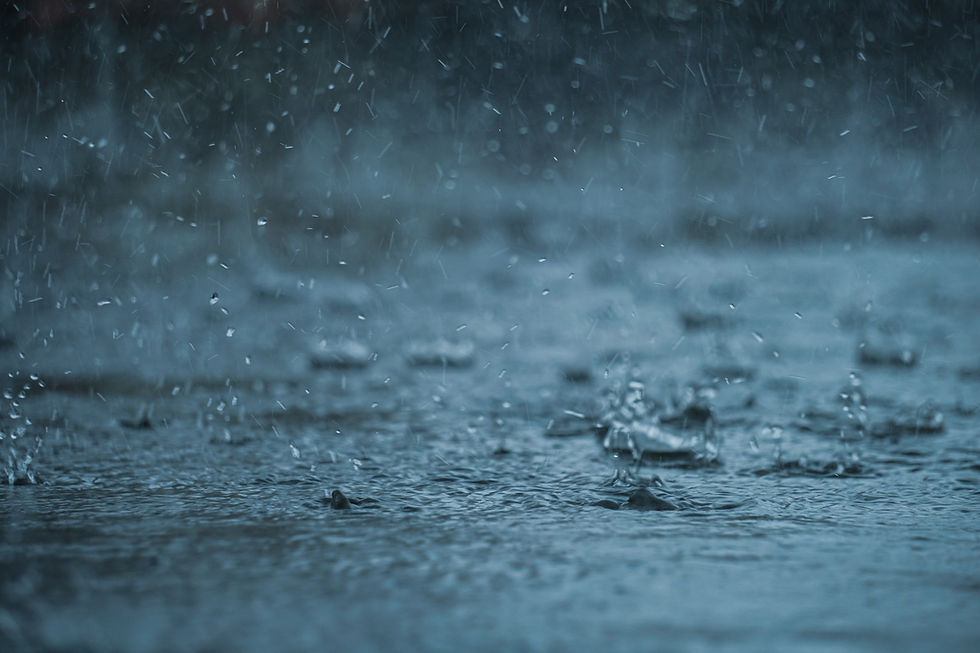
Erosion is one of the most overlooked consequences of heavy rain, especially in suburban environments. While flooding is immediate and visible, erosion happens quietly over time, slowly undermining soil, landscaping, and even structural stability around a home. March is a key risk period. Rainfall often arrives in short, intense bursts rather than steady showers. When water hits dry or compacted ground at speed, it strips away topsoil before the ground has time to absorb it.
Why erosion starts at the roof
Most erosion around homes does not begin in the yard. It begins at the roofline. Every downpipe concentrates water into a single outlet. During heavy rain, that outlet releases large volumes of water at high speed. If the discharge point is unprotected, water scours the soil surface, carrying sediment downhill and away from the property. Over time, this leads to exposed roots, uneven ground, damaged garden beds, and soil loss near foundations and retaining walls. On sloped sections, the effect is even more severe, as gravity accelerates runoff and increases damage. Once erosion starts, it rarely stops on its own.
How rainwater tanks slow water and protect land
A rainwater tank reduces erosion by intercepting roof runoff before it reaches the ground. Instead of releasing water all at once, the tank captures and stores it, dramatically reducing peak flow during storms. This has two important benefits. First, it prevents high pressure water from hitting soil directly. Second, it reduces the total volume of water entering the landscape during rainfall events. By slowing water at the source, tanks protect soil structure, preserve topsoil, and prevent the gradual degradation that leads to costly landscaping repairs. This is especially valuable during periods of repeated rainfall, where the ground remains saturated and increasingly vulnerable to damage.
Long term protection for your property
Soil stability plays a major role in protecting property value. Erosion can compromise paved areas, fence lines, garden structures, and drainage paths. Left unmanaged, it can contribute to subsidence and water pooling near the home. Rainwater tanks offer a preventative solution rather than a reactive one. They work quietly during every storm, reducing damage before it occurs. When rainfall increases, control becomes more important than capacity.
See how Rain Reserve systems help protect land during heavy rain


Comments